


-

Add: HeBei ShengShi HongBang Cellulose Technology CO.,LTD.
-

Email
13180486930@163.com -

CONTACT US
+86 13180486930



Rubber Powder is a cutting-edge recycled material obtained by grinding waste rubber into fine granules, widely used across polymer compounds, tire production, coatings, industrial gaskets, and more. Amidst rising sustainability standards and advanced recycling technologies, understanding rubber powder uses is vital for manufacturers, engineers, and buyers seeking cost-effective and high-performance solutions. This in-depth guide explores market trends, technical data, production processes, and Rubber powder-821 as a standout product backed by real-world applications and professional insights. 1. Industry Trends & Market Outlook (2024) Global Market Size (2024E): USD 2.4 Billion. Projected CAGR (2024-2029): 7.9% ( Grand View Research, 2024 ). Key Growth Drivers: Circular economy push, tire recycling mandates, cost reduction for rubber compounds, improved nitrile rubber powder resilience. End-use Verticals: Tires, industrial floorings, coatings, sealants, shoe soles, modified asphalt, and sports fields. Emerging Techs: Cryogenic/electro-mechanical grinding, nano-structured fine rubber powder , hybrid rubber/talc blends. 2. What is Rubber Powder? Technical Overview & Main Parameters Material Source & Types Derived from scrap tires, SBR, or nitrile rubber powder . Types include coarse (180-400μm), fine (40-100μm), or surface modified grades for rubber powder coating or anti-tack applications. Key Physical Properties Particle Size: 40–400 μm Moisture Content: <0.5% Purity: >98.7% (free from steel/textile) Bulk Density: 450–650 kg/m 3 International Standards ISO/TS 9273: Rubber recycling - Particle size spec. ANSI/ASTM D5603 for Recycled Rubber Quality REACH/FDA for coating & compound approvals Rubber Powder Parameters & Rubber Powder Uses Table Application Grade (Particle Size) Industry Value-Added (USD/ton) Technical Benefits Rubber powder uses in Tire Tread 80-120 mesh (≤175μm) Automotive 115-150 Good abrasion & consistency Rubber powder for Asphalt Modifier 40-80 mesh (450–180μm) Infrastructure 120-160 Enhanced elasticity, crack resistance Nitrile rubber powder for EPDM Compounds 80–200 mesh (175–75μm) Industrial/Automotive 140-175 Oil/solvent resistance, anti-tack Rubber powder coating Microfine (<63μm) Coating/Construction 155-190 UV, chemical resistance, tight film Talc powder for rubber blend Blend Rubber Compound 25-40 Improves processing, prevents sticking 3. Production Process: Manufacturing Flow of Rubber Powder Stepwise Manufacturing Diagram – Rubber Powder Uses Supply Chain 1. Raw Material Collection: Waste tires, SBR/EPDM scrap, NBR pieces (pre-inspected for contaminants) 2. Primary Shredding: Hydraulic crushers reduce size to 40–100mm chips. Magnetic separator removes steel wire. 3. Fine Grinding/Milling: Cryogenic or ambient mills crush chips to required mesh. Sifter ensures size uniformity (e.g., 80–200 mesh for fine rubber powder ). 4. Surface Modification (Optional): Rubber anti-tack powder, talc powder for rubber, or chemical additives blended in for processing optimization. 5. Packaging & QC: Graded powder packed in moistureproof bags. Samples sent for ISO/ASTM testing—particle size, purity, moisture, and ash content are validated. 6. Supply: Delivered globally for tire, coating, sealant, and downstream rubber powder uses . [▶ Watch Rubber Powder Plant Video (3:28)] 4. Featured Product: Rubber powder-821 Model: Rubber powder-821 | Official Product Page Particle Size: 90–150 μm (typically 100 mesh) Color: Black Purity: ≥99.2%, steel-free Moisture: ≤0.20% Bulk Density: 540–665 kg/m 3 Surface Modifier: Talc-powder blend option for improved anti-tack Compliance: ISO/TS 9273, ANSI D5603, RoHS, REACH Service Life: Up to 20 years in standard tire applications Applications: Tire compounds, rubberized asphalt, sealants, shoe soles, anti-tack powders, coatings Product Comparison Table: Rubber powder-821 vs Key Competitors Brand Product Mesh Size (μm) Purity (%) Moisture (%) ISO Certified Rubber Powder Price (USD/ton) HuaBang Rubber powder-821 90–150 ≥99.2 ≤0.2 Yes 135–160 Genan GENAN Fine Powder 63–180 ≥98.5 ≤0.5 Yes 140–170 Liberty Tire Micro-Rubber® 75–200 ≥97.6 ≤0.6 Yes 152–182 Entech UltraFine Powder 100–200 ≥98.2 ≤0.4 Yes 142–160 5. Technological Advantages: Why Choose Fine Rubber Powder? Fine rubber powder provides increased surface area for better adhesion in rubbers and coatings. Surface-modified powders enable customizable rubber powder uses including anti-tack, heat resistance, & chemical durability. Reduces virgin polymer consumption by 10–25% per formulation ( Elsevier Journal, 2021 ). Meets stringent RoHS, REACH, and ISO environmental compliance. Optimized for both hot melt and aqueous rubber powder coating processes. 6. Tailored Solutions: Customization & Support Customization Options Mesh Size: From 40 mesh (coarse) to 200 mesh (ultrafine) to control modulus, texture, and application fit. Surface Modification: Blending with rubber anti tack powder or talc powder for rubber for optimized processing. Packaging: 20kg, 25kg, 600kg super sacks depending on project size or automated production lines. On-site Technical Training: For major industrial clients installing new rubber powder production line equipment. Certified Manufacturer: HuaBang (22+ years rubber recycling expertise). Key Certifications: ISO 9001:2015, ISO/TS 9273, ANSI D5603, REACH-Compliant. Major Partners: Goodyear, Michelin, State Grid, LG Chemical. Reference: Major use in rubber powder uses for national expressway asphalt projects since 2018. 7. Application Case Studies & Industry Feedback Case 1: Rubber powder-821 in Tire Compounds ( Leading global tire OEM, 2023 ) Formula: 9% Rubber powder-821 + SBR + Silica + Antioxidant Achieved: 7% wear improvement; cost savings 12%/batch; passed ISO 28580 rolling resistance test Customer Quote: “High purity and uniformity of powder-821 allowed for seamless integration into our green tire recipes” ( Lead Material Engineer, APAC ). Case 2: Modified Asphalt in Municipal Infrastructure Project: State expressway (500km), completed 2022 Composition: 14% rubber powder-821 w/ talc powder for anti-tack Result: Rutting reduced by 31%, surface microcracking reduced, cost per km decreased by 10.4% Case 3: Rubber powder coating for Industrial Floors Usage: Blended microfine powder with latex emulsion, sprayed onto warehouse floors Benefits: Enhanced non-slip, chemical & UV stability, wears 2x slower than mineral-based coatings Standard: ASTM D4060 (Abrasion), ISO 8191 (Flame Spread) 8. Professional FAQ: Rubber Powder Terminology Explained Q1: What is the difference between fine rubber powder and standard rubber powder? A: Fine rubber powder (usually <100μm) has a larger surface area, providing superior dispersion and adhesion in polymers, coatings, and sealants. Standard powder (150–400μm) is mainly used for bulk fill or cushioning. Q2: How does nitrile rubber powder differ from SBR powder in applications? A: Nitrile rubber powder is oil/chemical resistant and often used in industrial gaskets and automotive sealants, while SBR powder is favored in tires, rubber flooring, and shoe soles for abrasion and cost benefits. Q3: What is the function of rubber anti tack powder ? A: Anti tack powders (talc/silica or specialty blends) prevent rubber sheets from sticking during mixing, storage, or transport, speeding up production lines and enhancing compound uniformity. Q4: Are there industry-recognized standards for rubber powder uses ? A: Yes. Key standards include ISO/TS 9273 (size and purity), ANSI/ASTM D5603 (recycled rubber), ASTM D412 (mechanical testing for rubber blends), and REACH/FDA when used in coatings or food-contact items. Q5: What are the key parameters to control when choosing rubber powder? A: Particle size (mesh), moisture content, steel fiber contamination, ash, surface chemistry (e.g., talc-coated), and international certifications. Q6: How does talc powder for rubber complement rubber powder? A: Talc acts as a processing aid, prevents sticking, and improves compound flow. In rubber powder, talc coating can further facilitate blending and anti-tack properties in extrusion or calendering. Q7: What support is available from the supplier for commissioning a rubber powder production line ? A: Suppliers such as HuaBang provide design consultation, equipment specification, on-site training, and post-installation technical support to ensure compliance with ISO/ASTM standards and maximum process efficiency. 9. Delivery, Warranty & Support Lead Time: Standard shipment within 7–15 business days after order confirmation. Warranty: 2-year product guarantee. Technical support provided throughout project lifecycle. Quality Control: Every batch tested for size, purity, and performance per ISO/ASTM. Support Channels: 24/7 technical hotline, rapid response (<1h for urgent issues), on-site consultation available for large-scale users. Customized supplier audits and documentation for major contracts in petrochemical, metallurgy, and water supply sectors. 10. FAQ: Frequently Asked Questions about Rubber Powder Uses Q1. Can rubber powder replace virgin rubber completely? A: It is generally used as a partial replacement (up to 35% in most compound recipes) to balance cost and mechanical performance. Q2. What is the most cost-efficient rubber powder price range in 2024? A: For fine mesh (80–120 mesh) rubber powder, USD 135–172/ton depending on purchase volume and surface modification. Q3. Which industries most benefit from rubber powder uses ? A: Tire manufacturing, asphalt modification, shoe sole compounding, industrial gaskets, and high-performance rubber powder coating . Q4. How long does Rubber powder-821 last in real applications? A: Up to 20 years in properly formulated tire treads; 6–12 years in external sealants or coatings under normal UV exposure. Q5. Any certifications required for export? A: Yes – ISO/TS 9273, REACH, MSDS, and local environmental certification are mandatory for key markets. 11. References & Further Reading “Recycled rubber powder has revolutionized the tire and elastomer sector, providing a circular solution with stable costs and eco-profile. Its adoption in polymer modification has seen a steady increase, driven by performance and sustainability mandates.” — Rubber News Recycling Forum, 2023 “Multi-functional rubber powder uses span from high-performance asphalt to advanced polymer coatings, validated by international standards and real-world case studies.” — Construction & Building Materials, Elsevier, 2021 “The maturity of rubber powder production line technology combined with ISO/TS based QC has made China and EU leaders in the recycled rubber market.” — Grand View Research, 2024 Explore detailed product data and technical support at: Rubber powder-821
- 40000tons

Production
- 20+years

Experience
- 5000+㎡

Acreage

-
China, often regarded as the world's factory, boasts an enormous and diverse manufacturing sector that spans electronics, textiles, machinery, and more. The pursuit of high-quality products at competitive prices is a paramount concern for global enterprises, and selecting the right China manufacturer can be a game-changer. This article sheds light on crucial aspects to consider, offering expertise that resonates with experience, authoritativeness, and trustworthiness. China manufacturers have revolutionized the global supply chain with their capability to produce an astounding range of products efficiently and affordably. One notable sector is electronics, where brands and startups alike flock to Chinese factories to bring their innovations to life. Manufacturers in cities like Shenzhen have honed their skills in rapid prototyping and bulk production, making them attractive partners for companies venturing into tech-driven markets. The expertise these manufacturers offer is unparalleled due to their consistent adaptation to cutting-edge technology and production techniques. Understanding the legal framework and certifications is vital for partnering with China manufacturers. Factories often undergo rigorous certification processes, such as ISO certifications, to validate their standard of quality and manufacturing practices. For companies aiming to align with international standards, verifying these certifications is a first crucial step. Demonstrating expertise in areas such as patent laws and trade regulations can safeguard businesses from potential legal quandaries, thus reinforcing the trustworthiness of the manufacturing partnership. Exploring supply chain efficiency and logistics can provide a significant edge. China’s transportation infrastructure, including ports and railways, is among the best globally, offering manufacturers seamless integration with international shipping routes. This logistical prowess ensures timely delivery of products, a factor that amplifies a company’s credibility in time-sensitive markets. To further amplify authoritativeness, it's important to acknowledge the cultural and economic nuances present in the Chinese manufacturing landscape. Engaging local experts or consultants who understand these intricacies can help navigate communication barriers and cultural differences. Cultural competence becomes an asset, fostering robust relationships that lead to successful collaborations. china manufacturer Focusing on sustainability, an increasingly crucial factor for global brand value, many China manufacturers are now investing in greener technologies and sustainable practices. Manufacturers committed to reducing carbon footprints or utilizing eco-friendly materials signal their foresight and responsibility, aligning with the environmental goals of eco-conscious companies. This shift not only elevates a brand's image but also reflects the manufacturer’s dedication to ethical production practices. Quality control is another cornerstone of any successful manufacturing relationship . Regular inspections, rigorous testing, and adherence to detailed specifications are non-negotiable. Opting for manufacturers who employ sophisticated quality assurance systems or engage independent third-party inspectors helps mitigate risks of defects or non-compliance. A deeper understanding of these quality control measures further reinforces the manufacturer's credibility and dependability. Building a rapport with China manufacturers involves continuous engagement and feedback loops. Clear communication of expectations, transparent sharing of production goals, and regular updates pave the way for a productive collaboration. By fostering a culture of honest dialogue, businesses can refine processes, innovate products, and enhance the final output quality. Lastly, a comprehensive assessment of a manufacturer’s previous collaborations and client testimonials adds a layer of assurance. Evaluating the manufacturer’s experience with similar products or industries provides insights into their expertise and reliability. Testimonials from established firms can validate the manufacturer's reputation, attesting to their authoritativeness and dependability. In conclusion, selecting the right China manufacturer involves strategic consideration of their expertise, demonstrated through certifications and supply chain efficiencies, cultural competence, commitment to sustainability, rigorous quality control, and past client satisfaction. By approaching this process with a focus on experience, authoritativeness, and trustworthiness, businesses can forge robust partnerships that drive success and innovation.
-
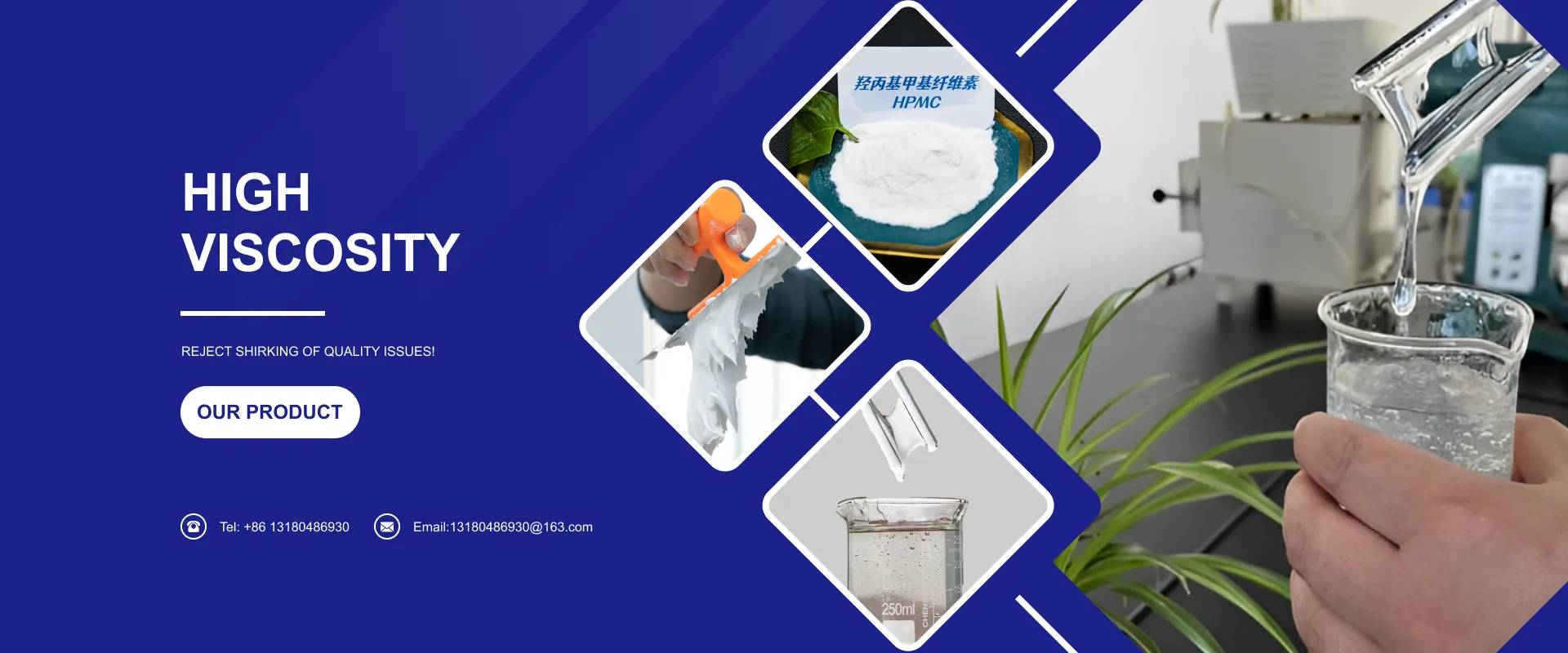
In the ever-evolving construction industry, materials that enhance performance, longevity, and efficiency are in high demand. Hydroxypropyl methylcellulose , a premium additive, has cemented its place as a key ingredient in the formulation of mortar, coatings, and wall putty. Its exceptional qualities impact everything from application ease to durability, making it indispensable for professionals who value precision and quality. Hydroxypropyl Methylcellulose: How it Affects Mortar and Coatings In construction projects, every detail matters, including the sequence in which additives like hydroxypropyl methylcellulose are introduced. The order of addition plays a crucial role in determining the consistency, workability, and performance of mortar and coatings. When hydroxypropyl methylcellulose is added directly to water before mixing with other components, it dissolves efficiently, forming a uniform solution. This step ensures that the additive can fully develop its water-retention properties, resulting in consistent viscosity and enhanced ease of application. Conversely, if added too late, its dispersion may become uneven, affecting the overall quality of the mixture. Builders who buy hydroxypropyl methylcellulose should follow precise mixing instructions to maximize its benefits. Correctly incorporating this additive into coatings improves spreadability and adhesion, ensuring a smooth application and long-lasting results. Enhancing Durability and Anti-Aging Properties with Hydroxypropyl Methylcellulose Durability is a fundamental requirement for building materials, and hydroxypropyl methylcellulose plays a pivotal role in achieving this. By enhancing water retention during the curing process, this additive prevents premature drying, reducing the risk of cracking and structural flaws. This controlled hydration significantly boosts the long-term performance of materials like mortar, coatings, and wall putty. In terms of anti-aging properties, hydroxypropyl methylcellulose acts as a shield, protecting materials from the damaging effects of environmental factors such as moisture, temperature changes, and UV radiation. Materials treated with hydroxypropyl methylcellulose exhibit improved elasticity, ensuring they can withstand daily wear and tear without losing integrity. When applied to wall putty, for example, this additive prevents shrinkage while maintaining a smooth, crack-free surface. Builders seeking enhanced durability and aesthetic appeal should consider sourcing this innovative material from a trusted hydroxypropylmethylcellulose supplier . Behavior of Hydroxypropyl Methylcellulose in Building Materials The adaptability of hydroxypropyl methylcellulose is one of its standout features, allowing it to blend seamlessly with diverse formulations. Its water-retention capabilities improve consistency, making it easier to achieve a flawless finish with minimal effort. Additionally, hydroxypropyl methylcellulose in wall putty significantly enhances bonding strength, ensuring that the applied surface remains intact and durable over time. Under wet conditions, hydroxypropyl methylcellulose provides remarkable stability. It prevents material degradation, supports long-term adhesion, and facilitates uniform drying. This makes it ideal for construction projects in humid environments or those subject to heavy rainfall. Furthermore, its compatibility with various raw materials makes it an essential choice for manufacturers looking to improve product quality across multiple applications. Trusted Hydroxypropylmethylcellulose Supplier for Reliable Performance The benefits of hydroxypropyl methylcellulose depend not only on its unique properties but also on the quality of the product itself. For construction professionals and manufacturers aiming to achieve superior results, sourcing this material from a trusted hydroxypropylmethylcellulose supplier is essential. Our company provides premium-grade hydroxypropyl methylcellulose , ensuring consistency, reliability, and unmatched performance in every batch. Whether you’re formulating advanced coatings, preparing wall putty, or developing high-performance mortar, our product delivers measurable benefits across all applications. When you buy hydroxypropyl methylcellulose from us, you’re not just purchasing an additive—you’re investing in quality and long-lasting results. With our industry expertise and commitment to excellence, we’ve become a go-to supplier for construction professionals worldwide. Hydroxypropyl Methylcellulose: Building the Foundations of Excellence As modern construction continues to push the boundaries of performance and sustainability, hydroxypropyl methylcellulose remains a cornerstone for success. From improving the workability and durability of materials to offering unmatched resistance against aging and environmental damage, its role is pivotal in achieving next-level construction results. Whether you’re a builder aiming to enhance the durability of your projects or a manufacturer striving for innovation, incorporating hydroxypropyl methylcellulose is a step toward redefining quality. Partner with a trusted hydroxypropylmethylcellulose supplier today and experience the transformative power of this remarkable additive. Choose the right product. Choose the best partner. Choose hydroxypropyl methylcellulose .
advantages
-

200000 Viscosities
Excellent product
We can produce pure products up to 200,000 viscosities
-

40000 tons
High yield
We don’t stop production all year round, and the annual output can reach 40,000 tons
-

24 hours
Quality service
We provide 24-hours online reception service, welcome to consult at any time
———— Inquiry Form
Schedule A services


-
 hpmc_e5_viscosity
Oct . 25, 2025
hpmc buy -
 hpmc_side_effects
Oct . 25, 2025
The Importance of Wood Cellulose in Modern Applications Wood cellulose, an organic compound derived -
 methylcellulose_used_in_pharmaceuticals
Oct . 25, 2025
Hydroxymethyl cellulose , often encountered in its more prevalent derivative form hydroxypropyl meth


